The Shift Nobody Sees: Twelve Hours on the Awake Side of the Lower East Side
Photo: Anthony Quintano, CC BY 2.0, via Wikimedia Commons
At 11:47 p.m., the Ludlow Street bars are at full roar and the sidewalks belong to people looking for a good time. By 2 a.m., that crowd has thinned to stragglers and slice-shop philosophers. And that's when the real night begins — the one most of us sleep straight through.
We spent a full shift on the other side of midnight to understand who, exactly, is out here.
The Flour Arrives Before the Sun Does
Around 3:15 a.m., a delivery truck double-parks on a side street off Orchard and two men start hauling 50-pound bags of flour into a basement bakery. The baker inside has been there since 2. By the time the first coffee shop on the block unlocks its door at 6:30, the croissants that anchor somebody's entire morning identity were already three hours old.
The guys doing the hauling don't want their names in the piece. "The neighbors complain about the truck," one of them tells us, laughing, "but they also want their baguettes." That's the overnight economy in one sentence: invisible when it works, noticed only when it doesn't.
The Diner Is a Public Utility
There's a 24-hour diner near the bridge that functions less like a restaurant and more like a civic institution. At 1 a.m., it's post-shift restaurant workers eating real food on their break, trading gossip about kitchens you'd recognize. At 3 a.m., it's nurses from the hospital up the hill, night-shift security guys, and a table of club workers decompressing over eggs.
The waitress working the counter has done overnights for eleven years. "Daytime customers tip better," she says. "Nighttime customers are honest." She means it as a compliment. After midnight, nobody's performing.
The 3 A.M. Walk of the Newly Off-Duty
If you want to see the neighborhood without its makeup, walk it at 3:30 a.m. The steam rising off the grates. The bodega on Avenue A with its lights still on, run by a guy who lets the overnight regulars charge coffee. The sanitation truck grinding down Delancey, doing the unglamorous work that makes the 8 a.m. brunch possible.
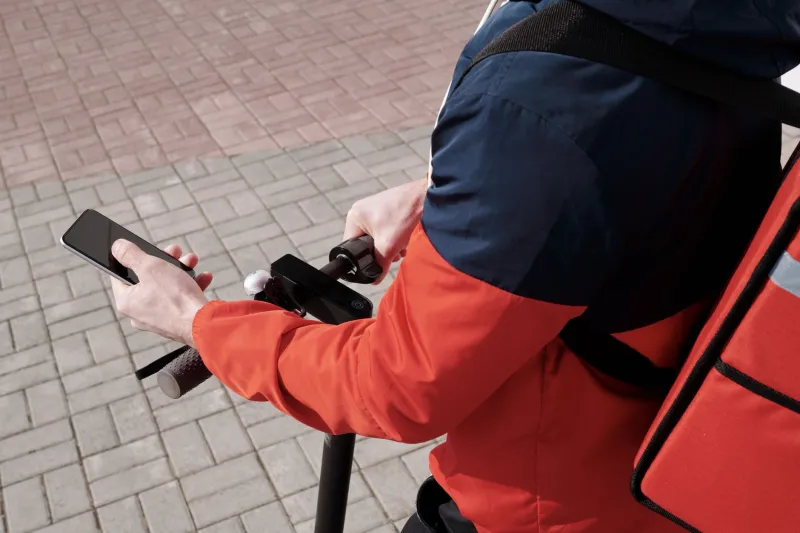
There's a whole social order out here. The dog walkers with three leashes and no fear. The bike messengers finishing shifts. The insomniacs on benches, nodding at each other like members of a club nobody applied to join.
What the Night Costs
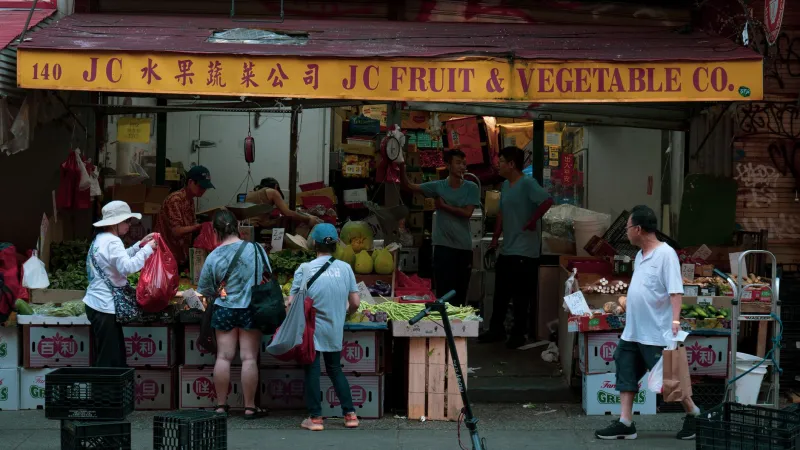
Here's the uncomfortable part: the overnight workers keeping this shadow city alive increasingly can't afford to live anywhere near it. The baker hauling flour at 3 a.m. commutes from Ridgewood. The diner waitress takes the L from Bushwick, then transfers to a bus when the L inevitably fails. The kitchen crews on Essex take the first train of the morning home, asleep before the doors open.
The Lower East Side's daytime charm is built on a nighttime labor force that's been priced out of the very blocks it maintains. Every croissant has a commute attached to it.
Look Out Your Window at 2 A.M.
The next time you can't sleep, don't reach for your phone. Look outside. Somebody's carrying something heavy. Somebody's cleaning something. Somebody's feeding somebody else.
The neighborhood you think you know is really two neighborhoods — and the one that runs at night deserves more than a sleepy thank-you.