Password to Enter: The DIY Show Scene Traded Its Soul for a Story Arc
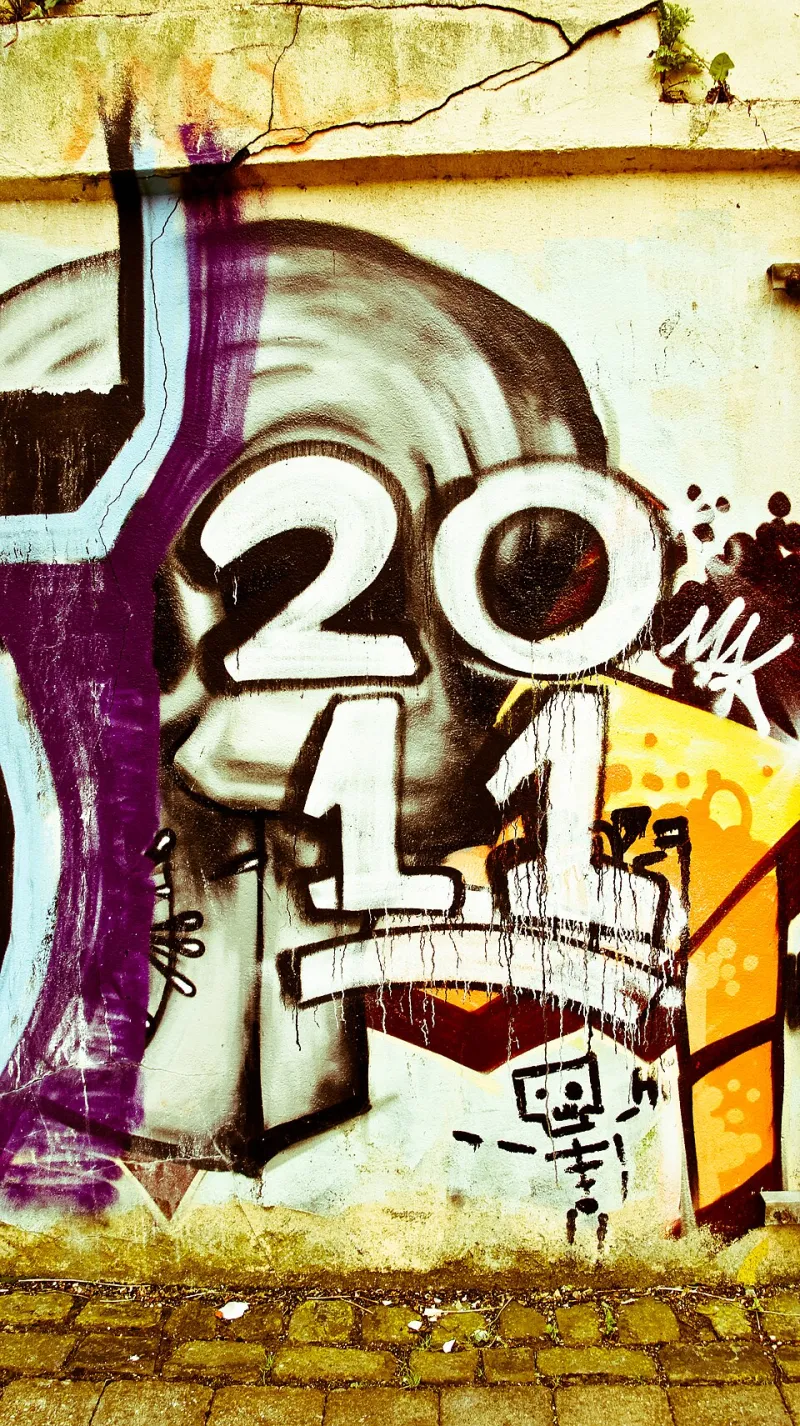
Photo: William Murphy from Dublin, Ireland, CC BY-SA 2.0, via Wikimedia Commons
Somewhere in a converted industrial space somewhere east of the BQE, there's a show tonight. You can find out about it by following the right account, DMing a bot, and receiving a location drop two hours before doors. There'll be a line by 10. Someone will film the whole thing. The artist will post the best clips. By tomorrow morning it'll have 40,000 views and a comment section full of people asking when the next one is.
This is what underground looks like now. And if it sounds less like a subculture and more like a content calendar, that's because increasingly, it is.
How the Word Used to Travel
Ask anyone who was deep in the downtown DIY scene in the early 2000s how they found out about shows, and the answer involves a chain of human contact that feels almost anthropological by current standards. You knew someone who knew someone. You got a flyer handed to you outside another show. You called a number on a sticker and listened to a voicemail with an address. The friction was the point — it guaranteed that the room would be full of people who actually wanted to be there, who'd put in some amount of effort to show up.
That friction has been replaced by a different kind of gatekeeping. The Instagram password, the followers-only story, the DM-to-RSVP workflow. It looks like exclusivity. It functions like a funnel.
"The old way kept out people who didn't care," says Jess Park, who's been booking underground shows in lower Manhattan for about eight years. "The new way keeps out people who don't have the right algorithm. It's not the same thing at all. One of those is about community. The other one is about reach."
The Paradox of Curated Chaos
There's a specific aesthetic that underground shows are supposed to have — exposed pipes, questionable sound systems, a crowd that looks like it wandered in from three different decades simultaneously. That aesthetic is now being deliberately reproduced by people who have never experienced the thing it's imitating.
Brooklyn warehouse parties, LES loft shows, rooftop raves with a DJ who definitely has a Resident Advisor profile — these events are being engineered to feel spontaneous. The rough edges are designed. The "no photos" policy gets posted on Instagram. The "secret" location gets tagged in 200 stories before midnight.
What's genuinely strange is that the people running these events often understand the contradiction perfectly and do it anyway. Because the alternative — actually staying small, actually staying off the grid — means staying broke. And staying broke in New York in 2024 is its own kind of statement that most people aren't in a position to make.
"I've had to make peace with the fact that the thing I'm doing now isn't the thing I started doing," says a promoter who runs a recurring underground electronic event in the Lower East Side. "When I started, I wanted to make a space that felt like it belonged to the people in it. Now I'm managing a brand. I don't love that. But the rent on this space isn't going down."
The Tourist in the Room
The visible symptom of all this is the crowd. Anyone who's been going to DIY shows downtown for more than a few years will tell you the same thing: the room looks different now. Not just younger, not just different taste in clothes — but different in a way that's harder to articulate. Less invested. More observational.
The influencer-adjacent attendee is a real phenomenon, and they're not malicious. They're just there for the experience of being there, which they'll document and share, which will bring more people who are there for the experience of being there. It's a loop. And it dilutes something that was never supposed to scale.
"I went to a show last month that I'd been looking forward to for weeks," says Marcus Webb, a musician who's played the downtown circuit for years. "And I spent the whole night watching people film the act in front of me on their phones. Not even for themselves — they were live-streaming it. To who? Why? The whole reason to be at a show like that is to be at the show. But nobody was at the show. They were all somewhere else."
Gatekeeping Becomes the Brand
The deepest irony in all of this is that the underground music scene was, in its original form, explicitly anti-exclusionary in the ways that mattered. It was a rejection of industry gatekeeping, of pay-to-play venues, of the idea that you needed anyone's permission to make music and build an audience for it.
The new gatekeeping is aesthetic rather than financial — you don't need money to get in, you need the right cultural fluency, the right follows, the right look. Which sounds more democratic until you realize that aesthetic gatekeeping has its own hierarchies, its own in-groups, its own ways of telling certain people they don't belong.
The password-to-enter model doesn't protect community. It performs community. And there's a difference that anyone who's actually been part of one understands immediately.
None of this means the scene is dead. There are still shows happening in genuinely weird spaces, with genuinely mixed crowds, where nobody is filming anything because everyone is too busy actually being there. They're just harder to find — and not because anyone made them that way on purpose. Sometimes things stay underground just because they're not interesting enough to surface.
Maybe that's the only kind of underground that ever really worked.