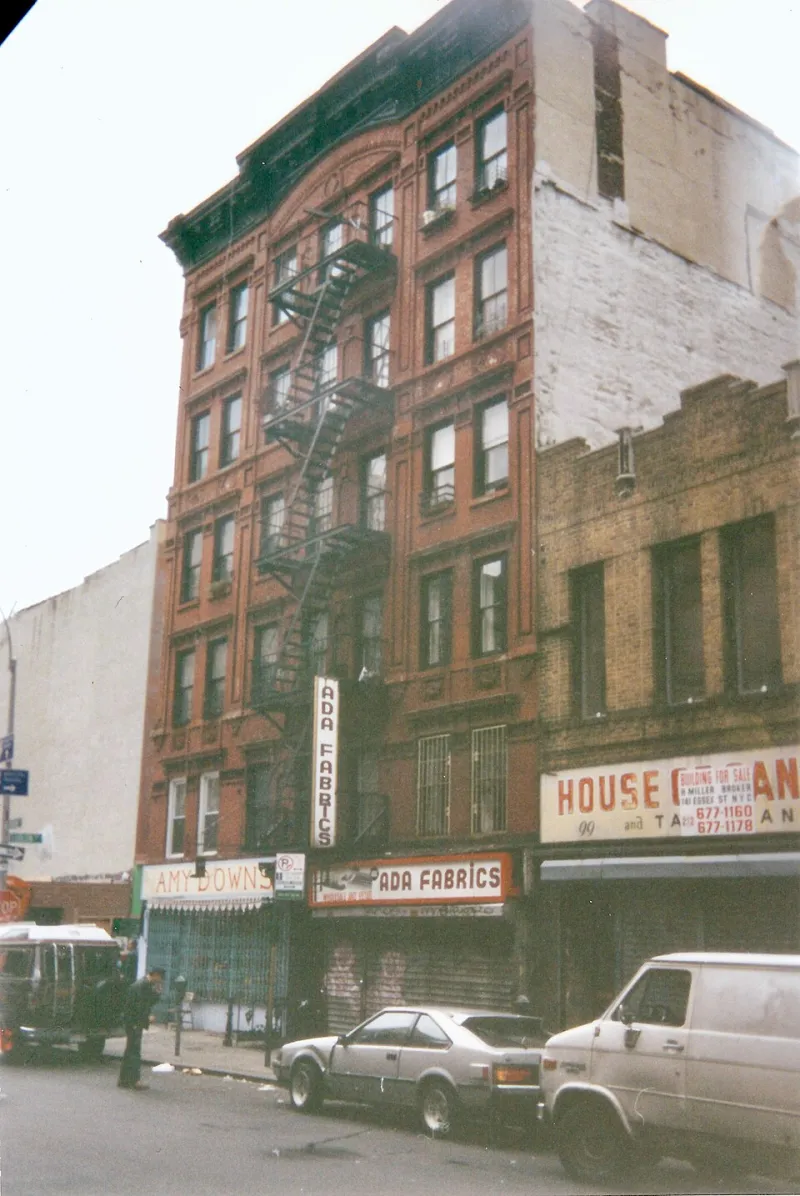
Last Call: The Slow Erasure of the LES Dive Bar and the Culture It Built
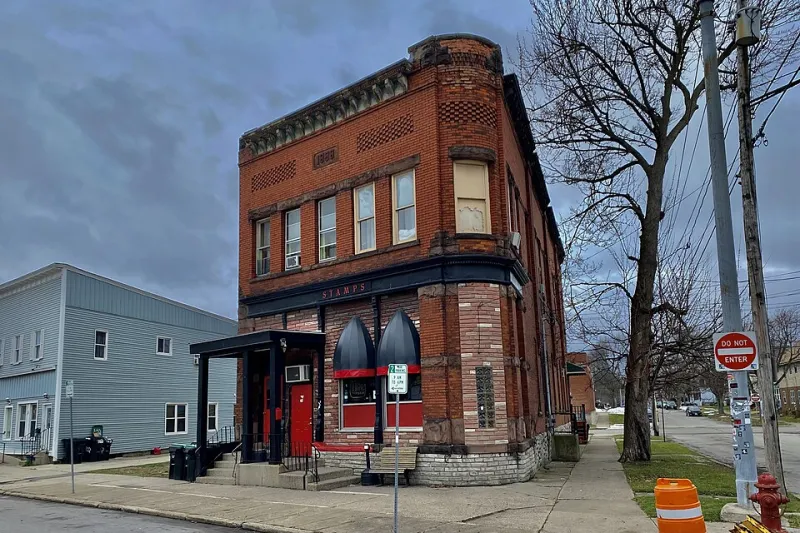
Photo: Andre Carrotflower, CC BY-SA 4.0, via Wikimedia Commons
There's a particular kind of light inside a real dive bar. It's not romantic or curated — it's the light of a bulb that nobody's changed since 2009, bouncing off sticky lacquered wood and a mirror advertising a beer brand that might not even exist anymore. That light has a smell. It has a sound. And on the Lower East Side, that light is going out, one shuttered storefront at a time.
The LES has never been precious about itself. That's the whole point. From the tenement days through the punk explosion, through the heroin years and the art scene that followed, this neighborhood has always absorbed chaos and converted it into something worth showing up for. The dive bar was the institution that made that possible — cheap enough for the broke, loud enough for the honest, and indifferent enough to let anyone be whoever they needed to be that night.
Now, a combination of skyrocketing commercial rents, post-pandemic lease renegotiations, and a demographic tidal wave of luxury condo residents who'd genuinely prefer a craft cocktail bar with Edison bulbs has put that entire ecosystem on life support.
The Numbers Don't Lie, But They Don't Tell the Whole Story Either
Commercial rents along key LES corridors — Orchard, Ludlow, Rivington — have climbed dramatically over the past decade, with some blocks seeing asking rents that have more than doubled since 2015. For a bar operating on thin margins, serving $5 drafts to a crowd that nurses a single drink for three hours, that math simply doesn't work anymore.
"We were paying rent that made sense for a neighborhood bar," says one longtime owner who asked to remain anonymous while his lease situation is still unresolved. "Then the building sold, and suddenly we're being asked to pay what a restaurant doing three seatings a night would pay. We do one seating. It's called 'whenever people show up.'" He laughs, but it doesn't reach his eyes.
The closures have been coming in waves. Some spots that anchored the scene for twenty or thirty years have vanished so quietly that regulars only found out when they showed up on a Friday and found a padlocked gate. Others went out with more noise — fundraisers, farewell nights, social media eulogies that got shared thousands of times by people who maybe hadn't actually been inside in years. That's its own kind of complicated grief.
What Actually Gets Lost When a Dive Dies
Ask anyone who's spent real time in LES dive culture what these places actually provided, and the conversation goes somewhere unexpected fast. It's not really about the cheap beer.
"My bar was a mental health resource," says a bartender who worked a decade at a now-closed Ludlow Street institution. "I'm not joking. People came in after bad shifts, after breakups, after getting evicted. We knew their names. We knew when something was wrong. That doesn't happen at a place where the bartender is reciting a cocktail menu from memory and the lights are set to a specific vibe."
There's a social infrastructure embedded in the neighborhood dive that rarely gets acknowledged in the cultural postmortems. These were the places where bands played their first shows to twelve people who actually cared. Where visual artists argued about whether something was good or just expensive. Where the line between who lived here and who was passing through was clear, not because of any velvet rope, but because the vibe either clicked for you or it didn't.
The demographic shift is real and it's not subtle. Walk the same blocks on a Saturday night now and count the bachelorette parties, the groups in from Midtown, the tourists who found the neighborhood on a "hidden gems of NYC" listicle. None of that is inherently wrong — the LES has always had visitors. But when the visitors become the primary market and the institutions reshape themselves accordingly, the locals who made the neighborhood worth visiting in the first place get squeezed toward the margins.
The Spots That Are Actually Surviving — And Why
Here's where the story gets less simple, which is also where it gets more interesting.
A handful of genuine dives are still standing, and they're not surviving by accident. The ones that have made it share a few common traits: owned buildings or long-term leases locked in before the market went insane, a fiercely loyal regular base that actually shows up consistently rather than just posting nostalgic tributes online, and owners who've resisted every temptation to "upgrade" the place into something more marketable.
One Delancey area spot that's been operating for over two decades credits its survival partly to a landlord relationship built over years. "He could get more from us. He knows that. But he also knows what we are to this block," the owner explains. "Not every landlord is a villain in this story. Some of them remember what this neighborhood was."
Others have gotten creative without selling out — adding food programs that bring in revenue without changing the character of the room, hosting events that draw crowds without turning the place into an event space, leaning into their own history as a feature rather than an apology.
The Gentrification Conversation We Keep Having Wrong
It's easy to frame this as a simple story of bad developers versus authentic culture, and sometimes that framing is accurate. But the forces reshaping the LES are more layered than any single villain narrative can hold.
Long-time residents who bought property here decades ago are now sitting on significant assets. Some of them are the landlords raising rents. The city's zoning and housing policies have consistently prioritized development over preservation of commercial culture. And the very visibility that made the LES a destination — the music, the art, the bars, the reputation — attracted exactly the market forces that are now transforming it.
What's clear is that once a dive bar closes, it doesn't come back. The replacement is always something else — a pop-up, a lounge, another restaurant, eventually a bank or a chain. The specific gravity of a place that took thirty years to accumulate cannot be manufactured. It cannot be replicated. And it cannot be recovered once it's gone.
So if you've been meaning to go back to that place on Rivington that you used to love, the one where the jukebox still has actual good songs and the bartender knows your drink — go this week. Go tonight. Buy a round for the person next to you. Because last call is coming, and this time it might actually mean it.