You're Doing the LES Wrong: 5 Unspoken Rules Every Real Downtown Local Lives By
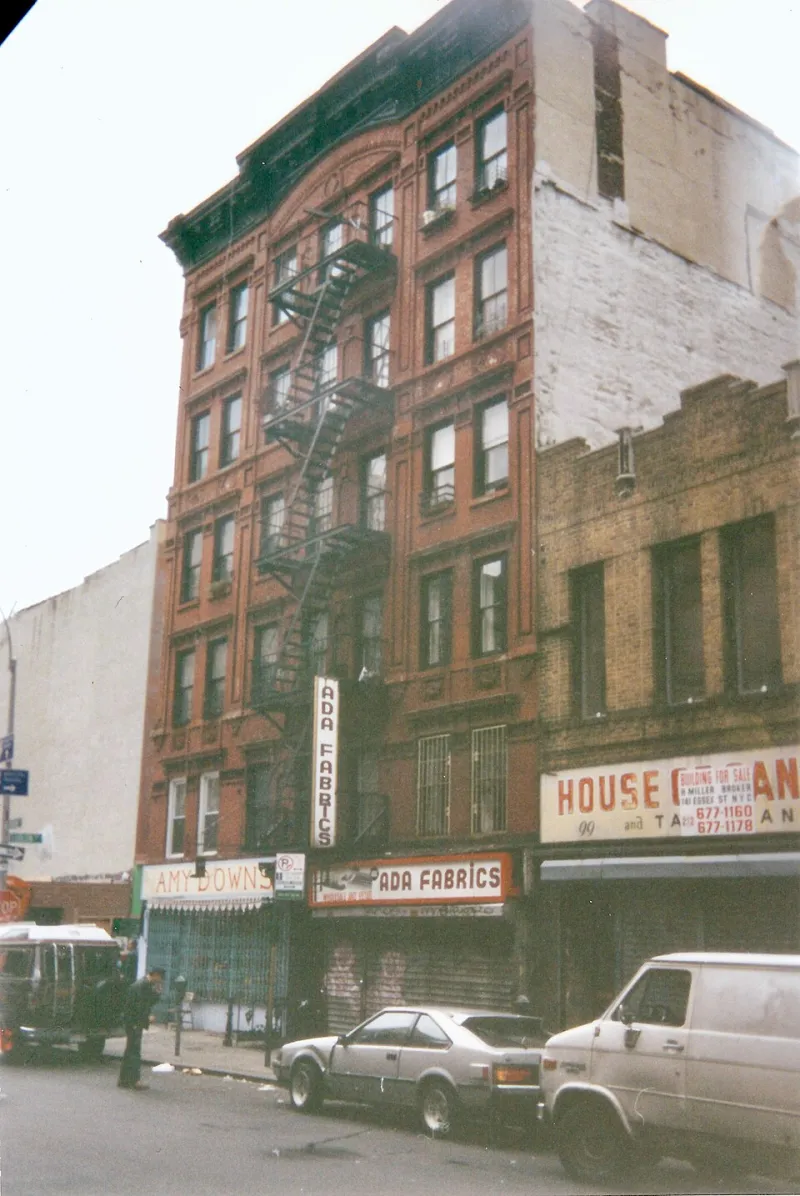
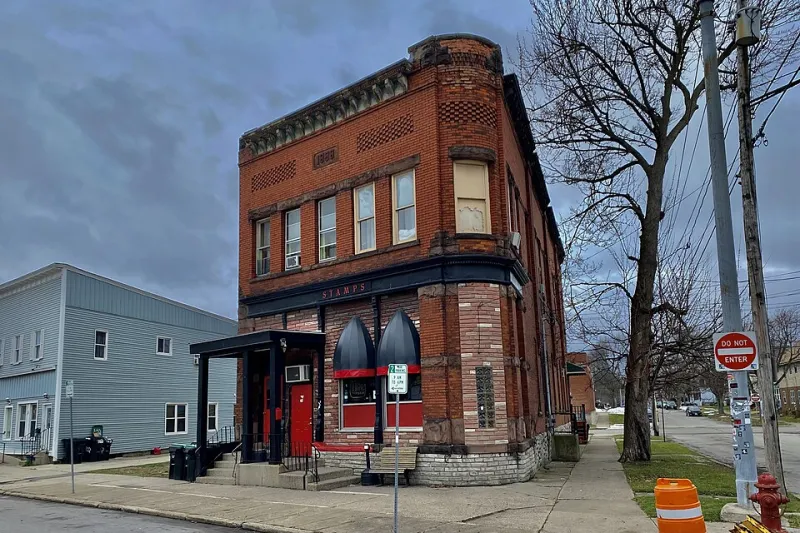
Photo: Infrogmation of New Orleans, CC BY-SA 4.0, via Wikimedia Commons
Let's get one thing straight before we start: the Lower East Side does not owe you an explanation. It doesn't owe you a welcome committee, a curated experience, or a soft landing. It's been here longer than your favorite restaurant recommendation app, and it will be here — in some form — long after the current wave of whatever this is passes through.
But if you're going to be here — whether you just signed a lease on Orchard Street or you've been navigating these blocks for twenty years — there are certain things you simply need to understand. Nobody's going to sit you down and explain them. That's kind of the whole point. Consider this your one and only orientation.
1. The Bodega Is Not a Convenience Store. Treat It Accordingly.
This seems like it should be obvious. It is not, apparently, obvious.
Your neighborhood bodega is a social institution, a community anchor, and in many cases a small family business that has been operating in the same spot through multiple economic cycles, neighborhood transformations, and at least two global crises. The person behind the counter knows more about what's actually happening on your block than any neighborhood Facebook group or community board meeting ever will.
So here's how this works: You say good morning. You say thank you. You do not complain about the price of a bacon, egg, and cheese as though you're negotiating at a farmers market. You do not stand in the doorway while you decide what you want — you step aside, let the person behind you get their coffee, and figure yourself out. And if your order is complicated, you either simplify it or you go somewhere that has a tablet-based ordering system and charges you $18 for a breakfast sandwich. Your choice.
The regulars at a bodega have an unspoken hierarchy, and it's not about money or status — it's about consistency and respect. Show up enough times, be decent about it, and eventually you get the nod. The nod is worth more than any loyalty points program.
Also: cash. Have some.
2. The Sidewalk Has a Lane System. Use It.
New York City sidewalks operate on an informal but deeply felt traffic logic that every local has internalized and that tourists violate approximately every eleven seconds. On the Lower East Side, where blocks can go from completely empty to genuinely packed depending on the hour, day, and whatever's happening at the venue down the street, this matters more than most places.
The rules are not complicated. Keep moving or get to the edge. If you're going to stop — to check your phone, to take a photo, to have a full conversation with someone you just ran into — you move to the side of the sidewalk. Not the middle. The side. The middle is for people who are going somewhere.
Group walking is a particular minefield. Four people walking side by side on a narrow LES block is not a social activity — it's an infrastructure problem. Walk two and two. Or single file when it's tight. This is not a sacrifice. This is just how it works here.
And the photo thing — look, we get it. The neighborhood is visually interesting. The murals are real, the fire escapes are genuinely photogenic, and yes, that storefront has been there since before your parents were born. Take the picture. But take it from the side, take it fast, and do not position yourself in the center of a busy sidewalk like you're doing a fashion shoot while three people with groceries try to get around you.
3. Know the Difference Between a Neighborhood Spot and a Destination Spot — And Act Accordingly
This one requires some reading of the room, which is itself a skill the LES will develop in you whether you want it to or not.
There are places on these blocks that exist for the neighborhood. They've been here forever, the prices reflect actual local economics, and the clientele is largely people who live within a ten-block radius. Then there are places that exist because someone decided the LES was a great location for a concept, and they're perfectly fine, and they're also not really of this place in any meaningful way.
The distinction matters because the behavior appropriate to each setting is different. At a neighborhood spot — a long-running bar, a family-owned restaurant that's been on the same corner for decades, a coffee shop where the owner knows everyone's order — you're a guest in someone else's living room. You don't walk in loud, you don't treat the staff like they're there to perform hospitality for you, and you definitely don't leave a review complaining that the vibe was "a little intense" because the regulars looked at you when you walked in. They look at everyone when they walk in. It's not personal. It's just what happens in rooms with actual communities in them.
At the destination spots, the rules are looser because the context is looser. Nobody's going to be offended if you Instagram your cocktail. That's basically why the place exists.
4. Long-Standing Storefronts Are Not Props for Your Nostalgia Tour
The LES has some genuinely historic storefronts. Places that have been operating for generations, that survived the neighborhood's roughest decades, that represent something real about the immigrant and working-class history of this part of the city. They are not a museum. They are not a backdrop. They are businesses, often operating on margins that would give most people an anxiety attack, run by people who are just trying to keep something alive.
If you're moved enough by an old storefront to stop and appreciate it, the appropriate response is to go inside and buy something. Not to stand on the sidewalk waxing poetic about authenticity while the person inside watches you through the window. Not to take fifteen photos and then walk away. Not to write a tweet about how this is "the real New York" and then go spend your money at the new place around the corner.
Your appreciation for authentic neighborhood culture has exactly zero value to the people keeping it alive unless it comes with some actual economic support. This isn't cynical — it's just honest. These places are surviving on real dollars from real people, not on cultural goodwill.
5. The Neighborhood Will Tell You Where You Belong. Listen.
This last one is the hardest to explain and the most important to understand.
Every block on the Lower East Side has its own character, its own regulars, its own unspoken logic. Some of that is about the time of day — the block at 8 AM is a completely different place than the block at 2 AM. Some of it is about the specific energy of a room or a corner. And some of it is about whether you're actually present or just passing through.
Locals can tell the difference immediately. Not because they're hostile to outsiders — most aren't — but because there's a specific kind of awareness that comes from actually living somewhere. You notice things. You pay attention. You know which corner gets weird after midnight and which bar has a back room that's a different vibe entirely from the front.
The LES will reward that kind of attention. Show up with genuine curiosity, without entitlement, and with a willingness to follow rather than lead, and this neighborhood will give you more than you expected. Show up treating it like a theme park, and you'll get exactly the surface-level experience you deserve.
Welcome to the block. Try not to be the worst.