Stapled to the Signal: A Field Guide to the Flyers Holding Downtown Together
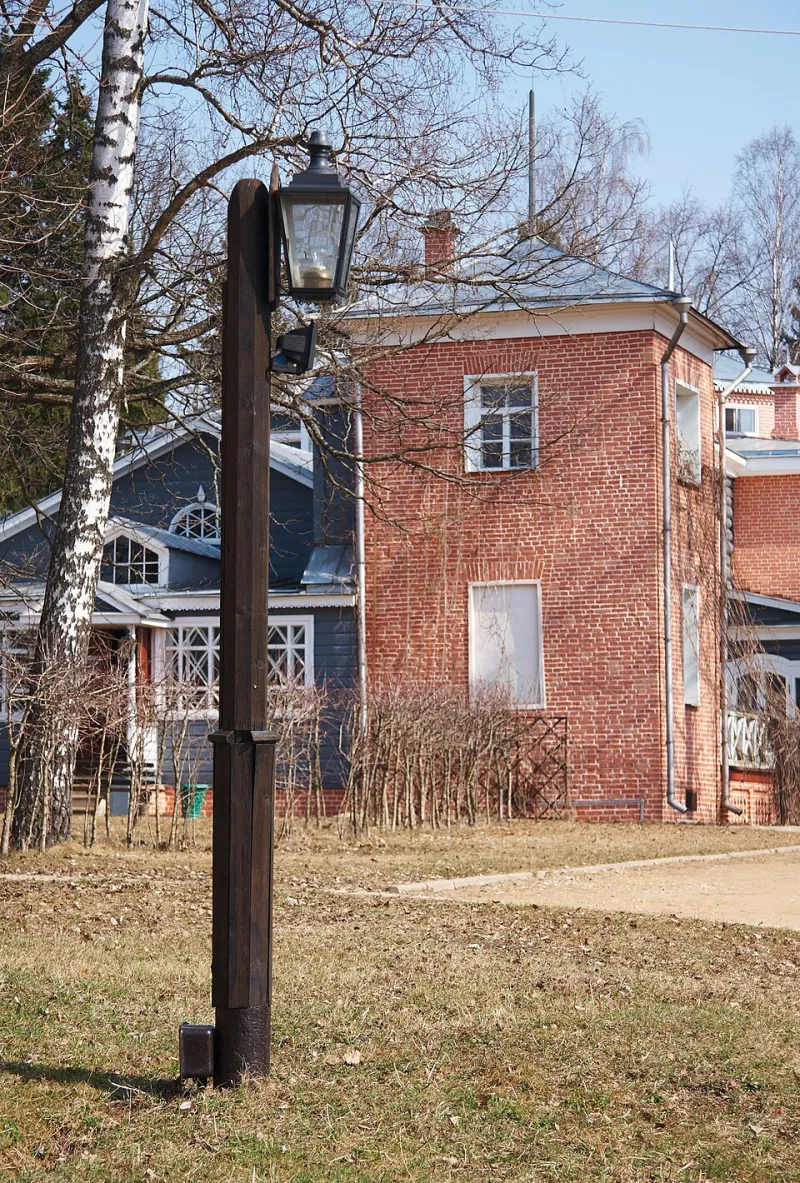
Photo: Panther, CC BY-SA 3.0, via Wikimedia Commons
At 7:12 on a Tuesday morning, the lamppost on the northeast corner of East Fourth and Avenue A is already wearing four layers of the block's subconscious. On top: a fluorescent pink sheet — LOST CAT, GREY, ANSWERS TO MISO, SKITTISH, DO NOT CHASE. Under that, a band bill for a show that happened three weeks ago and one block away. Under that, an apartment-wanted notice with twelve tear-off tabs, eleven of them still attached. And under that, a sheet so sun-cured it has gone the texture of a paper towel, advertising something nobody alive can identify.
This is the paper internet. No algorithm, no moderation queue, no analytics. Just tape, staples, a Sharpie, and a readership that walks past it twice a day without ever thinking of itself as an audience.
The Stack Is the Archive
Nothing downtown deletes. It just gets covered. A lamppost is a palimpsest — a manuscript scraped down and written over — except here the scraping is done by weather and the writing is done by whoever gets there first with a fresh roll of tape. Peel back a corner and you find the strata: a 2026 flyer on top, a rent-increase notice from a tenant meeting last spring, a memorial for a dog that died two winters ago, and at the bottom, a faded xerox from a shuttered bar's last night.
You can date a block by its paper. A lamppost with a lot of band bills and little else is a block with cheap commercial rents and short leases. A lamppost with three consecutive "FOR RENT — NO FEE" signs taped over each other is a block in the middle of a flip. A lamppost with nothing at all — scraped clean, wiped down, wiped clean again — is a block that has been formally managed. That last one is the most telling. Nothing gets pasted on a post that somebody with a clipboard has been paid to keep blank.
Who Posts, and Who Peels
The posting population is smaller than you'd think, and it's greyer than the neighborhood's demographics. The staplers are, in rough order of volume: superintendents, dog owners, music bookers, people looking for apartments, people subletting apartments, and one guy who has been handing out guitar lessons via handwritten index card since roughly the Giuliani administration.
Peeling is a different economy. Landlords and management companies peel. So do people who want the space back for their own notice — a territorial act so petty and so human that it should be studied. Doormen peel at the request of residents. And then there are the accidental editors: the person who tears off one tab from an apartment-wanted flyer and then, for reasons known only to them, takes the whole flyer too.
Meanwhile, deli windows are the paid placement of the paper internet. They're indoors, they're lit, they're protected from rain, and they cost nothing but the nerve to ask. Look at the window of almost any bodega on Clinton or Ludlow and you'll see the full classified section: a notary, a tax preparer, a locksmith with no license number, a flyer for a church in Brooklyn, and a business card for a guy who does nails out of his apartment and only takes calls before 6 p.m.
The Tell in the Tear-Off Tabs
Here is the metric the real estate industry can't buy: the tab count. An apartment flyer with eleven of twelve tabs left is a fantasy — a landlord's dream of a tenant who doesn't read. A flyer with every tab gone and a second sheet taped underneath is a street telling you something. A flyer where all the tabs have been removed and replaced with other people's tabs, or scribbled over, or annotated in ballpoint with the words "scam" or "don't" — that's a neighborhood running its own consumer protection bureau at zero cost to the taxpayer.
The Missing Cat Is the Real Report
Missing-cat posters are the paper internet's editorial page. They're the only flyers that reliably get taped at eye level in both directions, that get laminated against the rain, that get re-posted after being torn down. They are also a precise census of who lives where. A flyer describing a cat "last seen near the courtyard on the 500 block" tells you there's a courtyard, tells you it's enclosed, tells you the cat was indoor-only until it wasn't.
Two weeks later, half the cat flyers downtown change. One gets a Sharpie addition: FOUND. FOUND turns into a photo of the cat in a neighbor's kitchen — someone in a building the owner had never spoken to. That is the only genuine good-news section left, and it's stapled to street furniture.
Where the Feed Breaks Down
The paper internet has one catastrophic flaw, and it isn't litter. It's who gets to post. If you're a renter with a printer and a free afternoon, your message is up for as long as the tape holds. If you're on the wrong side of a language barrier, or disabled, or working two jobs, or asleep at the hour the post is still clean — your notice never appears, and the block never hears from you. The most visible voices on a street corner are still the ones with the most spare time and the cheapest coping mechanism.
Still, the analog feed does the one thing the digital one can't: it makes you physically slow down. You have to stop, or you'll walk right past Miso. The algorithm's whole trick is that it comes to you. The lamppost's trick is that you have to go to it — and while you're there, standing still on a Tuesday morning with your coffee going cold, you might actually learn who lives upstairs.