Spin Cycle or Die: The Quiet War Over Downtown's Last Washing Machines
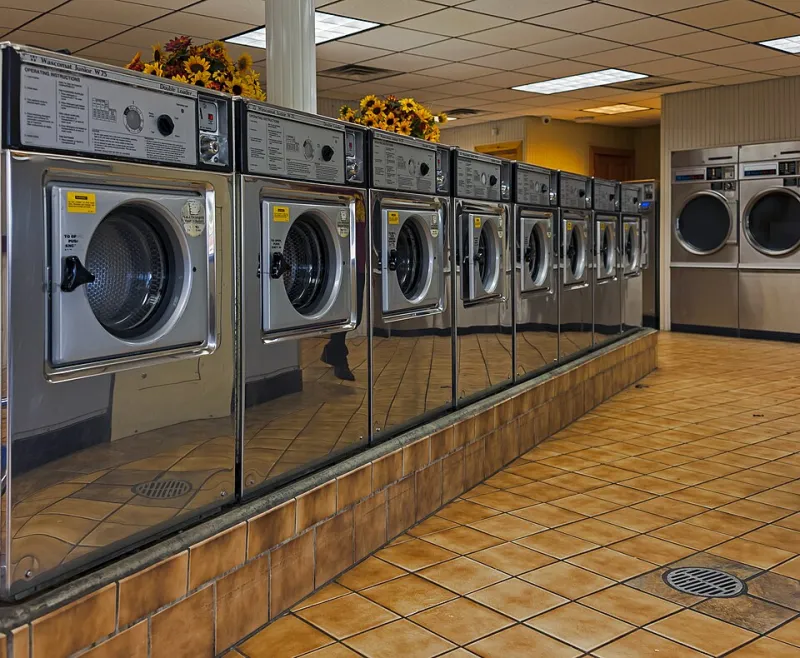
Photo: Daniel Case, CC BY-SA 3.0, via Wikimedia Commons
There's a specific kind of panic that hits at 11 p.m. on a Sunday when the laundromat on your corner has a sign on the door that says CLOSED FOR LEASING INQUIRIES. You're holding a garbage bag full of everything you own. And suddenly, doing laundry downtown has become a logistics problem worthy of a military operation.
Welcome to the great downtown laundry crunch, where the humble wash-and-fold is disappearing faster than rent-stabilized units, and finding an available washer has quietly become the most competitive weekend sport this side of the Williamsburg Bridge.
Where Did All the Machines Go?
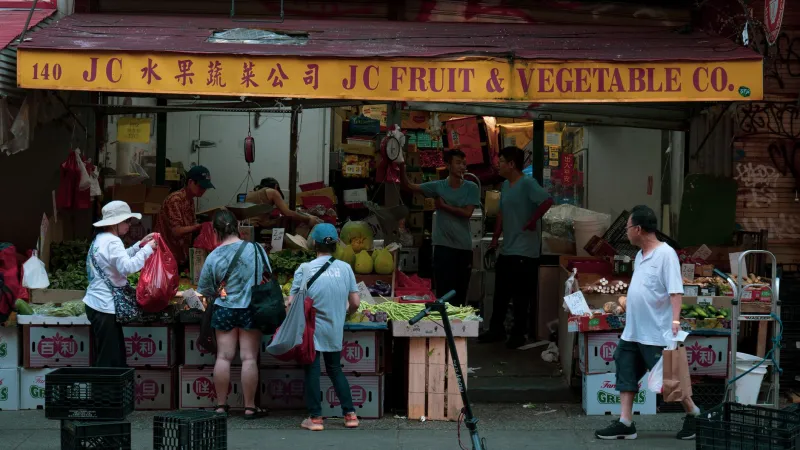
Walk down Avenue A or over to Chinatown's side streets and count the laundromats. Then compare your count to five years ago. The math is ugly.
The culprits are the usual suspects. Commercial rents on the Lower East Side have doubled and tripled, and a laundromat — with its water bills, its gas dryers, its narrow margins — simply can't pay what a chain juice bar or a bank can. Meanwhile, new luxury buildings have figured out that a gleaming residents-only laundry lounge is a cheaper amenity than a roof deck, which means their tenants never set foot in the neighborhood's storefronts at all.
And then there's the app economy. Pickup services now treat your dirty laundry like a DoorDash order: someone bikes to your door, hauls your bag to a commercial facility in Brooklyn or New Jersey, and returns it folded and vacuum-sealed. Convenient? Sure. But it's one more thread of actual neighborhood commerce — the place where you'd run into your neighbor at midnight, both of you defeated — quietly snipped.
The Owners Holding the Line
The holdouts are a stubborn bunch. Talk to the guys behind the counters of the remaining 24-hour spots — many of them immigrant families who've run the same storefront for decades — and you hear the same story on repeat. Rent goes up. The landlord hints. The machines get older, the repair guy gets pricier.
But they stay, because a laundromat is never just a laundromat. It's the place where the night-shift nurse does her whites at 3 a.m. It's where the guy from the bodega next door comes to gossip. It's a de facto community center with industrial-strength spin cycles.
One owner on Suffolk Street told us he's turned down three buyouts. "They want the space, not the business," he said, shrugging. "But my customers, they got nowhere else. What am I gonna do, tell them take the F train to do their underwear?"
The Survival Guide: Where to Wash Right Now
Consider this your field manual.
The true 24-hour holdouts. A handful remain east of First Avenue and scattered through Chinatown and the East Village. Pro tip: verify the hours on Google, then verify again in person, because "24 hours" apparently means different things to different owners.
The off-peak play. Sunday at noon is a bloodsport. Tuesday at 10 a.m., you'll have your pick of triple-loaders. If your schedule allows it, wash on a weekday and reclaim your weekend.
The app alternative. If you must go the pickup route, at least tip well and remember you're outsourcing a neighborhood institution along with your towels.
The basement wildcard. Half the walk-ups downtown still have a coin-op in the cellar that the landlord pretends doesn't exist. Know your building's machine. Protect it. That thing is worth more than the roof deck upstairs.
Why It Matters
It sounds small — who cares about washers? — but laundromats are a canary. When they go, it means rents have priced out the businesses that serve the people who actually live here, not the people who might. The neighborhood that can't wash its own clothes is a neighborhood being laundered itself.
So patronize your local spot. Befriend the attendant. Feed the change machine. Because the day your corner laundromat becomes a matcha kiosk is the day you'll be hauling your garbage bag three subway stops — and honestly, nobody's got time for that.