Safe Sounds Only: How NYC's Legendary Music Venues Traded Risk for Revenue
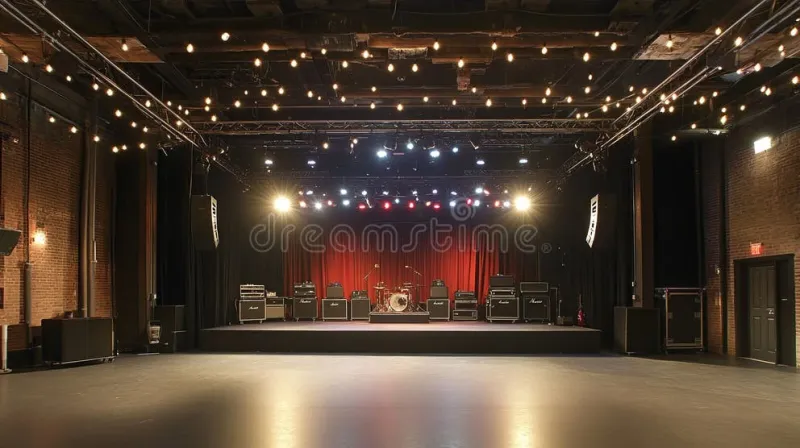
Photo: dimly lit NYC music venue empty stage Lower East Side, via thumbs.dreamstime.com
There's a moment, if you've been paying attention long enough, when you walk into a room you used to love and realize the room doesn't love you back anymore. The stage is the same. The PA system might even be better. But something in the air has shifted — the crowd is quieter, better dressed, and checking their phones between sets. The band onstage is good. Competent, even. But nobody's taking any chances up there, and nobody in the audience is expecting them to.
This is what gentrification sounds like when it gets inside the walls.
The Room That Forgot Its Own Name
Downtown NYC built its identity on musical chaos. The LES, the East Village, Tribeca before it became a billionaire suburb — these neighborhoods were incubators for sounds that hadn't been named yet. The venues that hosted those sounds weren't fancy. They were often barely legal. The booking was erratic, the sight lines were bad, and the bartenders sometimes outnumbered the audience on a Tuesday. But that friction was the whole point. It created the conditions for something genuinely new.
Fast forward to now. The venues that survived — and plenty didn't — look different. Not just aesthetically, though there's a lot more Edison bulb lighting and reclaimed wood than there used to be. The lineups have changed. The booking philosophy has changed. And the unspoken contract between a venue and its neighborhood has been quietly rewritten.
"We used to book based on who we believed in," says one longtime booker at a venue on the Lower East Side who asked not to be named. "Now I book based on who can bring in a crowd that's going to spend money at the bar. Those aren't always the same people."
The Math Is Brutal
Here's the thing nobody wants to say out loud: it's not that venue owners suddenly stopped caring about music. The economics are suffocating. Rent in the neighborhoods where these spaces built their reputations has doubled, tripled, or simply made renewal impossible. The venues that managed to stay — often through sheer stubbornness or a lucky long-term lease signed before the neighborhood turned — are now operating in a financial environment that punishes risk.
Experimental music doesn't sell $18 cocktails. Noise acts don't bring in bachelorette parties. A band that's going to challenge an audience, make them uncomfortable, maybe clear the room — that band is a liability when your margins are already underwater.
So venues make adjustments. They start booking cover acts on weekends. They install better lighting for Instagram. They raise the minimum at the door and quietly stop returning calls from artists who don't have a following yet. Each individual decision makes sense in isolation. Together, they add up to a complete identity transplant.
"I watched one place go from booking free jazz and experimental hip-hop to doing acoustic singer-songwriter nights and private corporate events in about eighteen months," says Marcus, a sound engineer who's worked downtown venues for over a decade. "The owner didn't want to do it. He was heartbroken. But he had a choice between that or closing. And he chose to stay open."
Wallpaper Music and the Crowds That Want It
The new downtown audience — and this isn't entirely their fault — didn't grow up in these rooms. They moved here for the lifestyle signifiers, not the actual culture that created them. They want the vibe of a music venue without the inconvenience of being genuinely moved or confused by what they're hearing. Music as atmosphere. Sound as décor.
Venues have learned to serve that appetite because it pays. The result is what some musicians have started calling "wallpaper booking" — lineups curated not for artistic merit but for emotional neutrality. Nothing too loud. Nothing too weird. Nothing that's going to make the couple on their third date feel awkward.
Joanna, a guitarist who's been playing the downtown circuit for years, puts it plainly: "There are rooms where I used to be able to try something and fail and that was okay. That's how you figure out what you're doing. Now I walk into those same rooms and I can feel the audience wanting me to not surprise them. It's a weird thing to perform against."
The loss isn't just aesthetic. It's functional. Venues that used to serve as laboratories — places where sounds got developed before they had names — have stopped doing that work. Which means the next wave of genuinely original New York music is being made somewhere else, in apartments and practice spaces and warehouses that haven't been discovered yet. The official venues have ceded that ground.
What Survives in the Margins
It would be dishonest to say nothing's left. The underground is still moving — it just moved further underground. House shows, pop-ups, loft events, spaces that exist for three months before the landlord figures out what's happening. The spirit that built the LES music scene didn't disappear. It just got pushed out of the buildings it used to occupy.
And there are still a handful of venues holding the line. Small rooms, often operating at a loss, run by people who could probably make more money doing something else but haven't been able to bring themselves to do it. They're booking the weird stuff, the local stuff, the acts that don't have a publicist or a playlist placement. They're not making it work financially so much as refusing to stop trying.
"I know what this room meant to people," says one such owner, who's been running his space on the edge of the LES for going on fifteen years. "I know what it meant to me when I was coming up. I'm not going to be the one who turns it into a wine bar."
That kind of stubbornness is worth something. It might be the most downtown thing left.
The Sound of a Neighborhood Deciding What It Is
What's happening to NYC's music venues isn't an accident and it's not inevitable — it's a choice, made incrementally, under pressure, by people who are mostly just trying to survive. That doesn't make it less real or less damaging. The venues that shaped downtown's cultural identity are being reshaped in turn by the forces that reshaped the neighborhoods around them. The music follows the money, eventually.
But the history is still in the walls. The stories are still being told — by the sound engineers who remember how loud it used to get, by the musicians who cut their teeth in rooms that no longer book their kind of sound, by the audiences who know the difference between a venue with a soul and a venue with a concept.
Downtown NYC built something real here. Whether what's left of it is a living tradition or a very expensive tribute act — that's still being decided, one set list at a time.