The LES Cafe Scene, Ranked by Vibes: Where to Actually Spend Your Morning Downtown
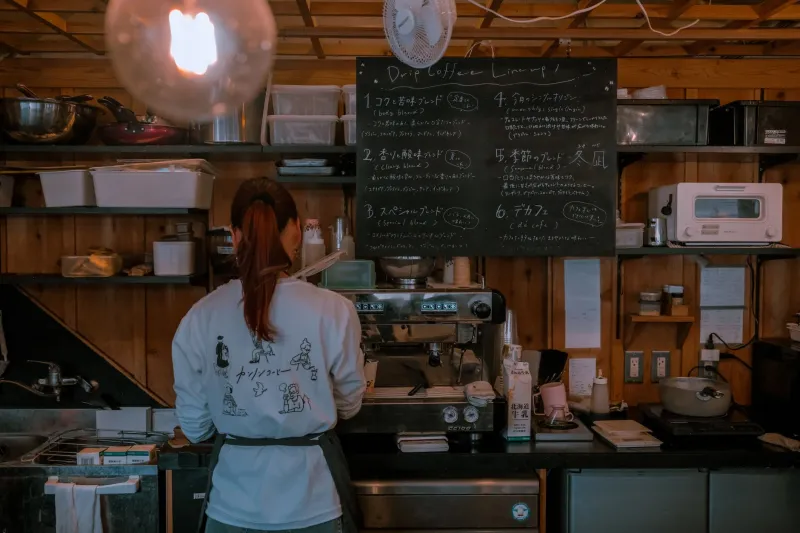
Let's be honest — there are two kinds of coffee shops in downtown New York. There's the kind with a QR code menu, a playlist that sounds like it was assembled by a mood-board AI, and oat milk that costs more than your subway ride. And then there's the kind where the barista knows your name by your third visit, the Wi-Fi password is written on a Post-it that's been there since 2019, and the music is whatever the person behind the counter feels like playing that morning.
The Lower East Side has always had more of the second kind. Lately, that balance is shifting. But the good stuff? It's still there. You just have to know where to look.
What Makes an LES Cafe Actually LES
The neighborhood has a vibe that's hard to manufacture, which doesn't stop people from trying. A cafe that opened six months ago with exposed brick and a single-origin pour-over program isn't automatically part of the fabric here. The places that belong to the LES earned it — through years of serving the same Dominican grandmother her cortado, through letting a broke painter run a tab, through hosting a zine release party in a back room that technically wasn't supposed to be used for events.
The best cafes in this neighborhood function less like coffee shops and more like community infrastructure. They're where you find out your neighbor is moving. They're where the flyer for the basement show gets pinned to the board. They're where the freelancers sit for four hours on one cold brew and nobody gives them a look.
The Morning Ritual, Downtown Edition
If you're doing the LES morning right, you're not rushing. The neighborhood doesn't really wake up until 9 or 10 anyway — the bars close late, the artists keep weird hours, and the bodega guys have already been up since 4. The cafes that fit this rhythm don't pressure you. You sit. You drink something good. You read or scroll or stare out the window at whoever's walking down Orchard Street.
The best spots for this are the ones that haven't gone full minimalist. A little clutter is a good sign — a stack of local papers, a bulletin board that's actually being used, mismatched chairs that were clearly acquired over time rather than ordered in bulk from a restaurant supply company. These are the tells of a place that's been lived in.
What the Scene Looks Like Right Now
The LES cafe landscape in 2024 is genuinely interesting. You've got a few places that have been around long enough to be institutions — spots where the espresso machine is ancient but the shots are perfect, where the owner is usually somewhere in the room. Then you've got a newer wave of cafes that are doing more intentional things: natural wine by the glass after noon, small food menus that punch way above their weight, gallery-style walls that rotate local artists on a monthly basis.
What's less interesting is the stuff that could exist anywhere — the cafes that look like they were designed to be photographed rather than inhabited. You'll spot them immediately. Beautiful, technically competent, completely forgettable.
The Spots Worth Your Time
Without playing full-on directory (that's what Google is for), here's the general taxonomy of what you'll find if you wander:
The neighborhood anchor. Been there for over a decade, cash preferred, the regulars have their own mugs. This is where you go when you want to feel like you actually live here rather than just visiting.
The creative hub. Doubles as an event space, has a record player behind the counter, smells like good coffee and linseed oil. You'll overhear three different conversations about projects you kind of wish you were part of.
The sleeper hit. No real signage, easy to walk past. Usually tucked into the ground floor of a building that looks residential. The owner does everything — makes the coffee, bakes the thing in the case, waters the plants. Go before noon.
The late-morning social scene. More of a scene than a cafe, technically. But the coffee is solid, the seating spills onto the sidewalk when weather allows, and it's where you'll run into people you haven't seen since before the pandemic.
A Few Things to Know Before You Go
Cash still matters at a lot of these places. Not because they're trying to be precious about it — it's just practical, it's cheaper for small businesses, and it's a habit that's held on downtown longer than it has in other neighborhoods.
Don't expect lightning-fast service at the places worth going to. That's not a knock — it's a feature. The barista is actually making your drink, not just pushing buttons. Give it a minute.
Sit at the counter if there's a counter. That's where the conversation happens. That's where you find out about the show on Friday, the new spot opening next month, the landlord drama two blocks over. Counter seats are the living newspaper of the LES.
And if a place has a bulletin board — actually read it. Flyers, cards, handwritten notes, apartment listings, band posters, lost cat announcements. That board is a real-time document of what this neighborhood is. More informative than any algorithm, and considerably more interesting.
The Bigger Picture
Cafes are one of the last genuinely public-ish spaces the LES has left. You can sit in one for two hours without buying much. You can be around people without performing anything. You can be a regular somewhere that isn't a bar. In a neighborhood that's been commodified in just about every other direction, that matters more than it sounds.
The LES cafe scene isn't perfect. Some of the best spots are fighting rent pressure. A few have already closed in the last couple of years, replaced by things that are fine but not the same. The ones that remain deserve your business, your presence, and at minimum — your honest opinion of whatever they're pulling from the espresso machine this week.
Go. Sit down. Stay a while. That's the whole point.